
OUr Mission
RAMP Alliance champions both safety and efficiency in the workplace by promoting leading edge responsible and mindful practices throughout industrial workplaces. We unite industry partners to develop, share, and enforce best practices that minimize risks, enhance health outcomes, and secure the movement of goods all the way from the loading dock throughout the facility. Together, we strive for incident-free workplaces, healthier teams, and greater operational integrity—making safety the foundation of our industry’s progress.”
Featured Articles
How it works
Fostering Innovation: The RAMP Alliance
While data analysis helps us identify safety problems, industry organizations are crucial for promoting and recognizing solutions. The RAMP Alliance (Recognizing and Advancing Manufacturing Professionals) is a powerful industry group dedicated to fostering and awarding innovation in the loading dock equipment market. Its primary mission is to identify, test, and champion new technologies that enhance worker safety and operational efficiency, a critical area for preventing common manufacturing injuries. The alliance achieves this by facilitating collaboration and research, encouraging its members to push the boundaries of design and engineering.
What We Do
☛
Develop Best Practices: We collaborate to create leading-edge standards and protocols that address the unique challenges of modern industrial environments.
☛
Share Knowledge: We provide a platform for our partners to share insights, lessons learned, and innovative solutions, ensuring that the entire industry benefits from shared expertise.
☛
Enforce Standards: We work together to promote and uphold robust safety standards, ensuring that responsible practices are not just recommended, but are the norm.
Our Commitment to a Safer Loading Dock
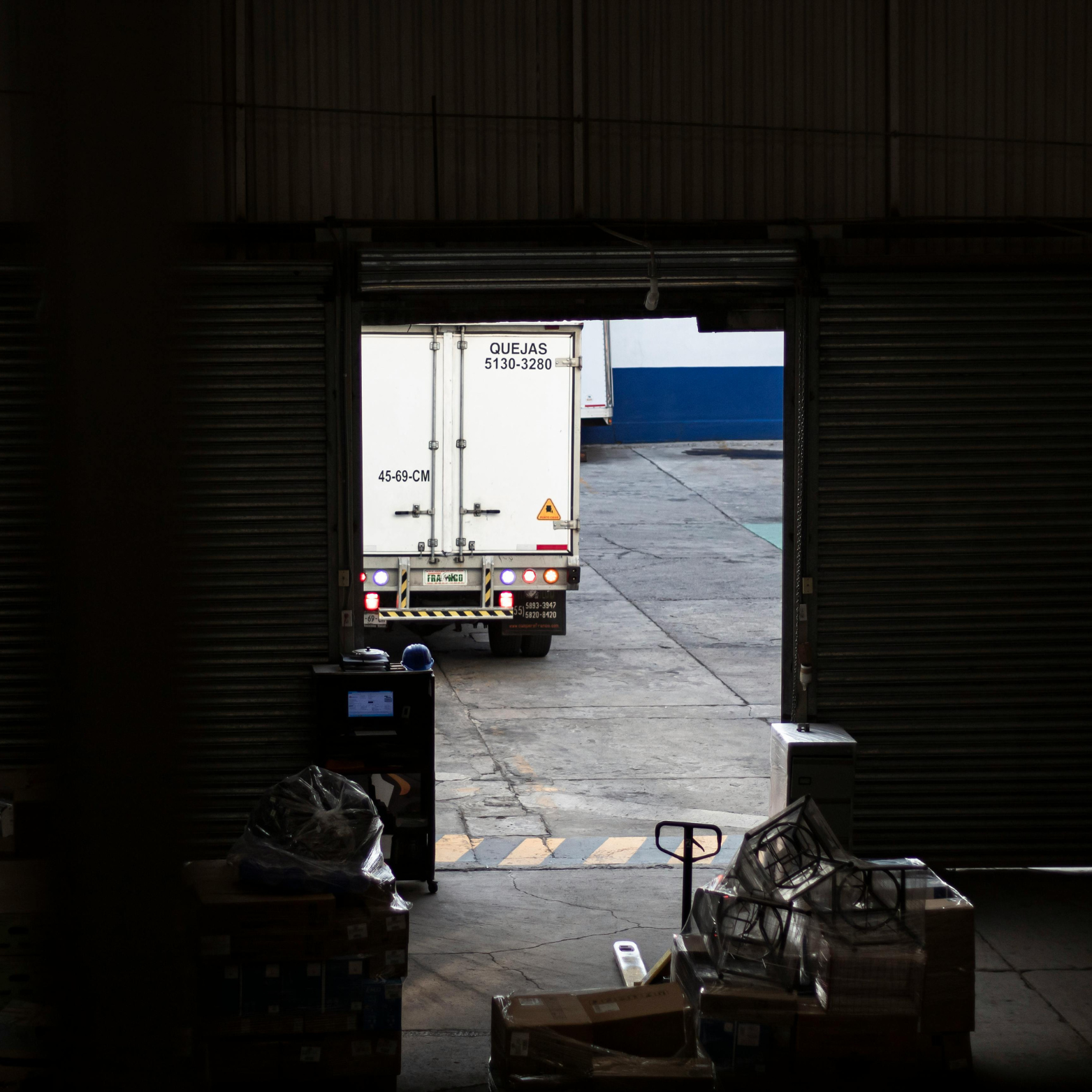
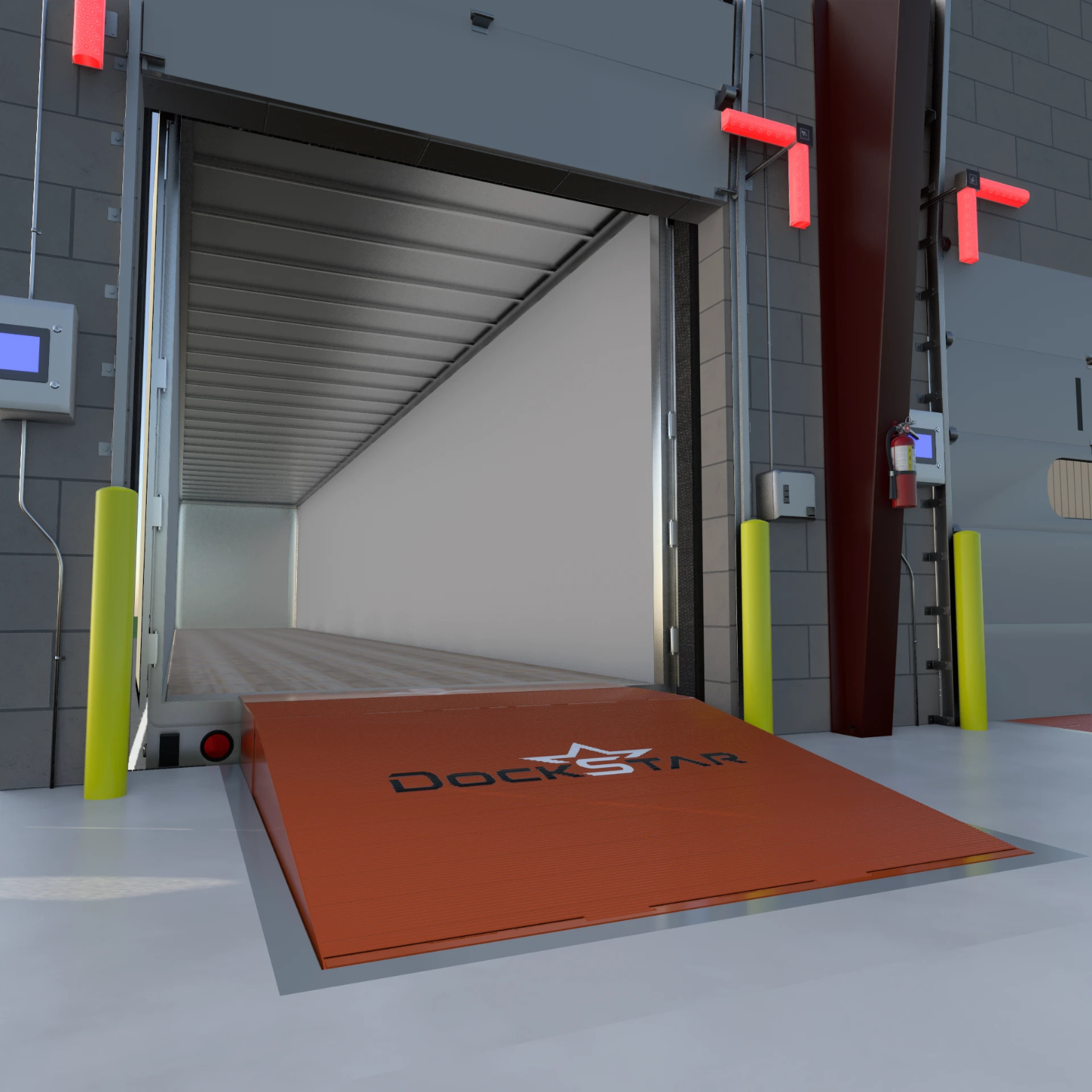
The loading dock is often the most critical point of vulnerability in any industrial workplace. At RAMP Alliance, we focus on transforming this high-risk area into a model of safety and efficiency by directly addressing its most common challenges.
Solving Common Loading Dock Challenges
We unite our partners to develop and implement solutions that mitigate risks and prevent accidents. Here’s how we tackle some of the most persistent problems:
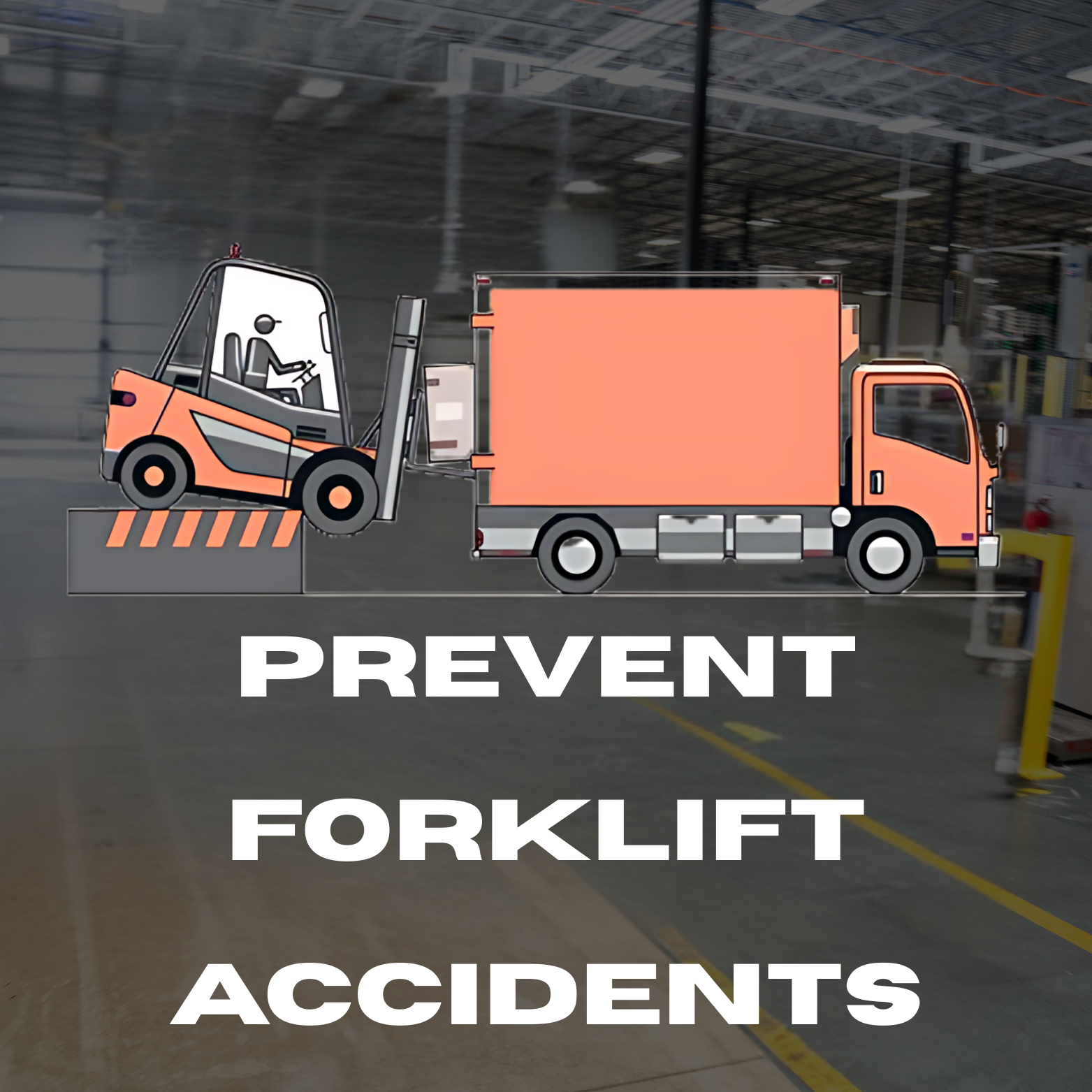
- Trailer Creep and Early Departure: This dangerous phenomenon occurs when a trailer gradually moves away from the dock during loading or unloading, or when a driver mistakenly pulls away while a forklift is still inside. We champion the use of advanced vehicle restraint systems and automated communication tools to ensure trailers are securely locked in place until the job is done.
- Forklift and Pedestrian Collisions: The high traffic of forklifts and people at the dock creates a significant risk of collisions. We promote the use of proximity sensors, visual and audible alarms, and designated pedestrian walkways to separate and protect workers from moving equipment.
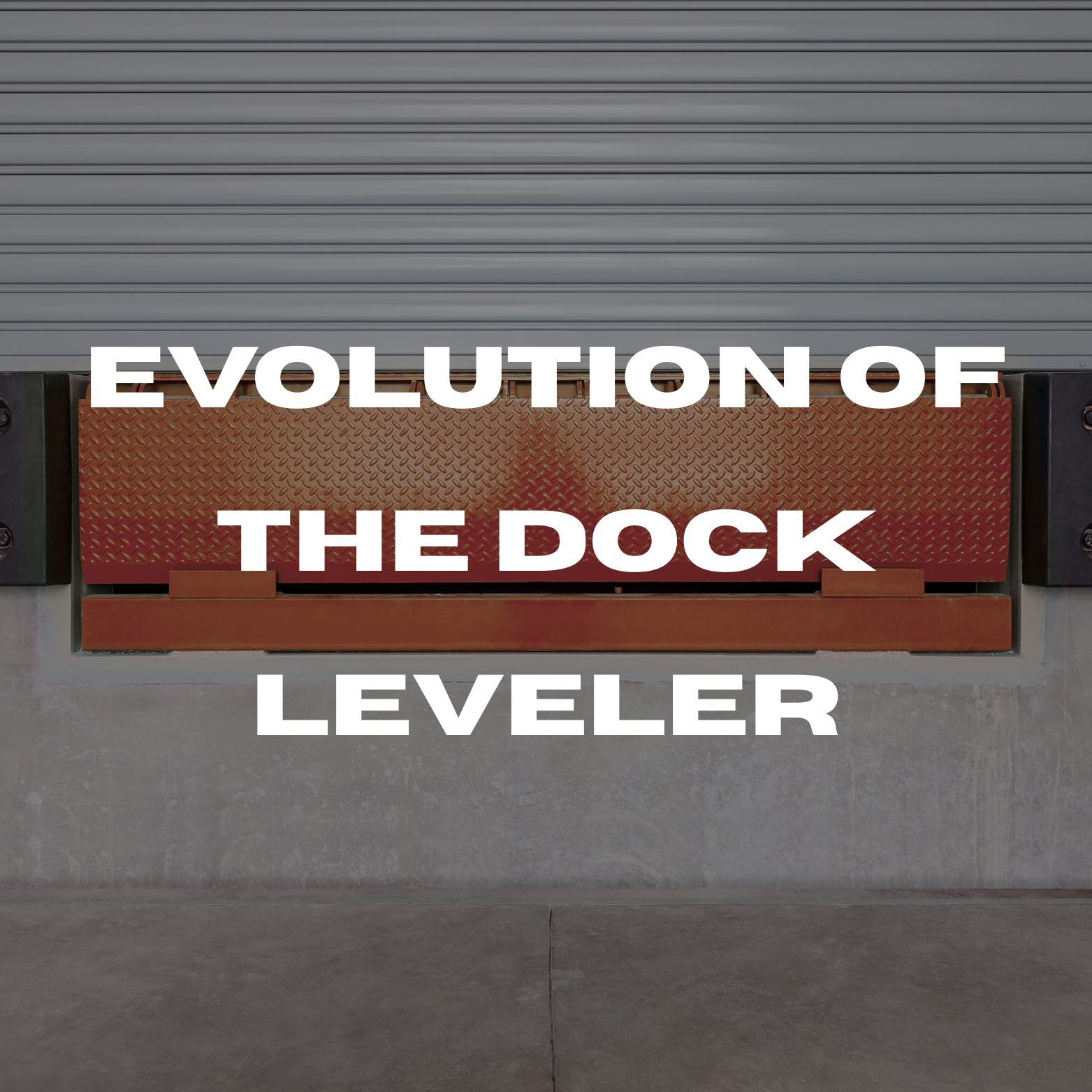
- Unsecured Loads and Falls: Falling freight or workers slipping on wet or uneven surfaces are frequent hazards. We advocate for the use of dock levelers with a secure, slip-resistant surface and best practices for securing loads inside trailers before they are moved.
More about us
Frequently Asked Questions
1. What are the most common safety hazards at a loading dock?
The loading dock is a high-risk area due to a combination of heavy equipment, moving vehicles, and human activity. The most common hazards we address are:
- Trailer Creep and Early Departure: When a trailer shifts away from the dock during loading/unloading, creating a dangerous gap.
- Forklift and Pedestrian Collisions: High traffic from both people and equipment often leads to accidents, especially in blind spots.
- Unsecured Loads and Falls: Unstable pallets or products can fall, injuring workers, and falls from the dock edge are a constant threat.
- Slip, Trip, and Fall Hazards: Wet surfaces, debris, and uneven dock plates can cause serious injuries.
2. How does RAMP Alliance help solve these problems?
We unite industry leaders to develop and promote best practices and innovative solutions for these hazards. Our work includes:
- Championing the use of vehicle restraint systems and automated communication lights to prevent trailer creep and unscheduled departure.
- Advocating for proximity sensors and clear traffic management to separate forklifts from pedestrians.
- Promoting robust training programs and the use of anti-slip dock levelers to reduce falls.
- Recognizing and awarding innovative technologies that create more sustainable safety features.
3. What is a vehicle restraint system and how does it prevent accidents?
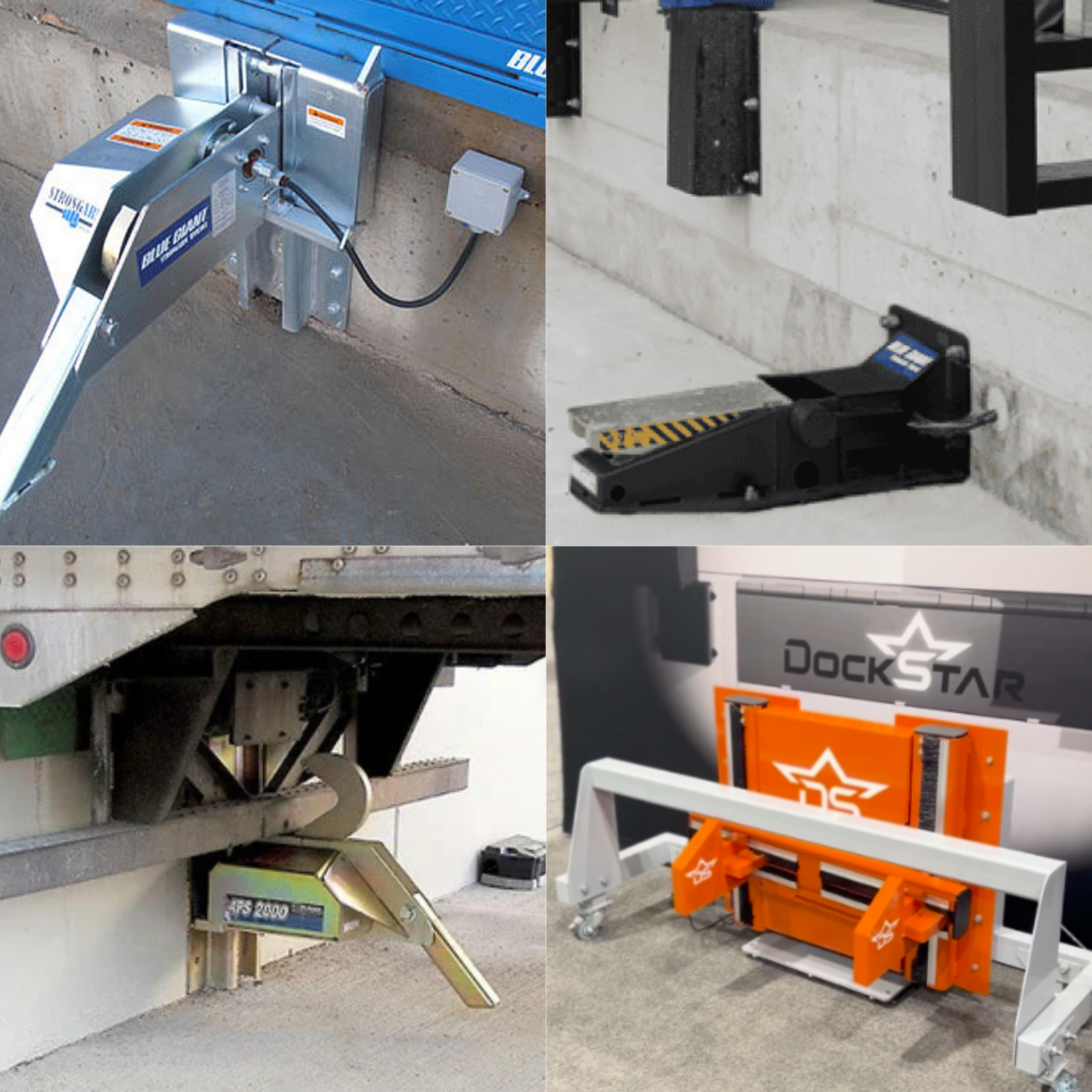
A vehicle restraint system is a piece of equipment, often a mechanically or hydraulically operated hook, that secures the rear of a truck trailer to the loading dock structure. By engaging with the truck’s rear impact guard, it physically prevents the trailer from moving or creeping away from the dock. This eliminates the risk of a forklift falling into the gap between the trailer and the dock, a major cause of serious accidents. These systems are often integrated with a visual communication system (like a red/green light) to provide clear signals to both the truck driver and dock workers.
4. How do proximity sensors enhance safety for both forklifts and pedestrians?
Proximity sensors create an invisible safety zone around forklifts and other moving equipment. By emitting a signal (like radio frequency or sound waves), they can detect when a pedestrian wearing a corresponding tag enters a pre-defined danger zone. The system then alerts both the forklift operator (with a visual or audible alarm) and the pedestrian (often with a vibration or light on their tag). This technology is crucial for preventing collisions, especially in congested areas and at blind corners where an operator’s visibility is limited.